Tel: +86-183-6396-1712 E-mail: bruce@luckywaycn.com
English

Views: 249 Author: Site Editor Publish Time: 2026-04-18 Origin: Site


The landscape of industrial logistics in China is shifting rapidly. As the nation transitions toward high-end manufacturing and precision chemistry, the demand for specialized transport solutions has skyrocketed. You might wonder, is the temperature-controlled chemical tanker semi trailer actually a common sight on Chinese highways? The answer is a resounding yes, but the reasons go far deeper than just "keeping things warm." From the bustling ports of Ningbo to the massive industrial parks in Shandong, these specialized vehicles are becoming the backbone of a safer, more efficient supply chain.
In this deep dive, we explore why China has embraced the temperature-controlled chemical tanker semi trailer, the technical shifts driving its popularity, and what you need to know if you are looking to source a heavy duty transport solution from the world's largest manufacturing hub.
China’s chemical industry isn't just about bulk raw materials anymore; it is about high-value, sensitive compounds. Many of these substances, such as phenol, glacial acetic acid, or specific resins, require a strict temperature range to remain liquid or stable. This is where the temperature-controlled chemical tanker semi trailer proves its worth. Without precise thermal management, these chemicals could crystallize or degrade, leading to massive financial losses and safety hazards.
Market data (estimated) suggests that the cold-chain and heated-transport segment for chemicals in China has grown by over 12% annually. Companies are moving away from standard tanks because they realize that product integrity is non-negotiable. When we look at the logistics hubs in East China, it is clear they prefer a 3 axle configuration equipped with high-performance insulation. These trailers allow for longer transit times across China’s vast geography without risking the cargo's chemical properties.
Why is this happening now?
Industrial Upgrading: Factories now produce complex polymers that are heat-sensitive.
Safety Regulations: The Chinese government has tightened rules on hazardous material (Hazmat) transport, favoring specialized equipment.
Cost Efficiency: Preventing product "setup" (solidification) saves hours of steaming and cleaning at the discharge point.
| Chemical Type | Required Temperature Range | Common Chemical Tanker Semi Trailer Material |
| Molten Sulfur | 130°C - 150°C | Carbon Steel with Heating Jackets |
| Glacial Acetic Acid | 20°C - 30°C | Stainless steel with Insulation |
| Phenol | 50°C - 60°C | Stainless steel with Steam Coils |
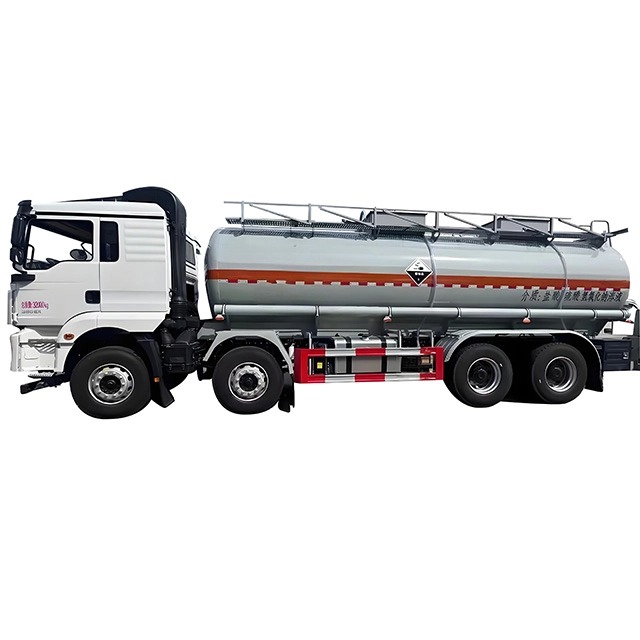
If you drive down a Chinese expressway, you will notice most chemical tanker semi trailer units utilize a 3 axle setup. This is not a coincidence. China’s "GB1589" regulations strictly dictate weight limits and dimensions for road vehicles. The 3 axle configuration provides the perfect balance between payload capacity and regulatory compliance.
A heavy duty 3 axle chassis allows for a Gross Combination Vehicle Weight (GCVW) of up to 46-49 tons. For a temperature-controlled unit, this is vital because the insulation layers and heating systems add significant dead weight to the trailer.
Stability: High-gravity loads (liquids) require the footprint of three axles for better braking and cornering.
Tire Wear: Distributing the weight across six wheel-ends reduces the stress on each tire, lowering maintenance costs for long-haul routes.
Resale Value: In the Chinese secondary market, a 3 axle heavy duty trailer is much easier to sell than niche 2-axle versions.
Most popular Chinese models use Stainless steel (often 304 or 316L) for the inner tank. Why? Because it handles thermal expansion better than lined carbon steel. When you heat a tank to 80°C and then let it cool to 10°C, the metal "breathes." Stainless steel maintains its structural integrity and corrosive resistant properties through these cycles. We see that high-end buyers in China almost exclusively opt for Stainless steel when dealing with acid transport that requires heating, as it prevents the protective linings from peeling under thermal stress.
Popularity in China isn't just about the tank; it's about the tech inside. A temperature-controlled chemical tanker semi trailer in the Chinese market usually employs one of three heating methods. The choice depends on the specific chemical and the distance of the haul.
Steam Heating: The tank features internal or external coils. At the destination, the driver plugs into a steam line to liquefy the cargo before pumping. This is the most traditional and cost-effective method.
Diesel Burners: Some heavy duty trailers carry their own independent heaters (like a Webasto system). They circulate hot water or oil through jackets while the truck is moving.
Electric Trace Heating: Becoming more popular for high-value acids. It offers the most precise control but requires a robust power source.
To keep the heat in, Chinese manufacturers use high-density polyurethane (PU) foam or rock wool. Usually, the insulation is 50mm to 100mm thick. This is then wrapped in an outer "skin" of mirror-finish Stainless steel or reinforced fiberglass. In the humid southern provinces of China, a corrosive resistant outer jacket is essential to prevent the insulation from becoming waterlogged, which would ruin its thermal efficiency. We have observed that the best-performing chemical tanker semi trailer units in China use a vacuum-tight seal on the outer cladding to ensure no moisture enters the rock wool layer.
The transport of acids, such as concentrated sulfuric acid or phosphoric acid, often requires specialized temperature-controlled solutions. In Northern China, where winters are brutal, these acids can become sluggish or even freeze. Therefore, an acid transport vehicle must be both corrosive resistant and thermally stable.
When phosphoric acid drops below a certain temperature, it starts to crystallize. This makes unloading a nightmare. The Chinese market has responded by developing Stainless steel tanks with reinforced heating plates. These plates are welded directly to the bottom of the tank to provide "bottom-up" heating.
Material Choice: For acid transport, 316L Stainless steel is the standard. It provides the corrosive resistant barrier needed to handle the chemical's pH while enduring the heat from the steam coils.
Valve Protection: In a temperature-controlled setup, the discharge valves are the "weak link." Popular Chinese designs now include "jacketed valves" that are also heated, ensuring the acid doesn't freeze in the pipework.
Chinese regulations (JT/T 617) are very strict regarding the chemical tanker semi trailer. Every heavy duty unit must undergo pressure tests and X-ray weld inspections. For temperature-controlled units, the pressure relief valves (PRVs) must be specifically calibrated to handle the vapors generated by heated chemicals. We see that top-tier fleets in China invest heavily in these safety features to avoid the catastrophic failures that can occur if a heated tank over-pressurizes.
Is it more expensive to buy a temperature-controlled chemical tanker semi trailer? Yes. But is it popular? Absolutely. The ROI (Return on Investment) for Chinese fleet owners comes from two places: versatility and reduced downtime.
A standard tank can only carry chemicals that are stable at ambient temperatures. However, a heavy duty temperature-controlled 3 axle trailer can carry both. During the summer, it functions as a standard unit. In the winter, it becomes a premium asset capable of moving sensitive goods that competitors cannot.
Higher Freight Rates: Logistics providers in China can charge 20-30% more for "constant temp" hauls.
Client Retention: Major chemical giants like BASF or Sinopec prefer contractors who have the latest Stainless steel temperature-controlled equipment.
In the past, drivers in China might spend 10 hours at a depot waiting for a cargo of frozen phenol to melt using external heaters. With a modern temperature-controlled chemical tanker semi trailer, the cargo arrives at the discharge temperature. This allows for a "drop and hook" or immediate discharge, keeping the 3 axle unit moving. In the world of logistics, a moving wheel is a profitable wheel.
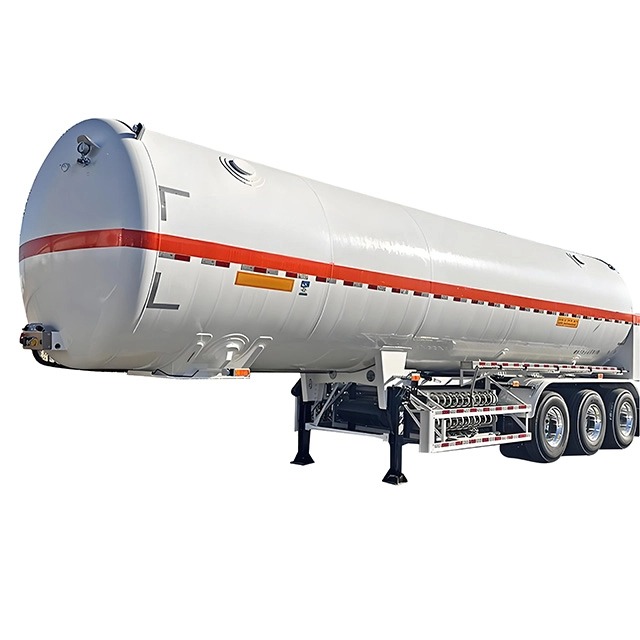
China is no longer just a consumer of these trailers; it is the world's leading producer. The popularity of the temperature-controlled chemical tanker semi trailer within China has forced local manufacturers to innovate at a scale that Western producers struggle to match.
Chinese factories use automated longitudinal welding robots. This ensures that every Stainless steel seam is perfect. For a heavy duty tanker, the quality of the weld is what determines its lifespan, especially when subjected to constant thermal expansion and contraction.
Lightweighting: By using high-strength steel for the chassis and thin-wall, high-grade Stainless steel for the tank, Chinese engineers have reduced the "tare weight." This allows for more chemical payload within the legal limits.
Global Export: Because these trailers are so popular and refined in the Chinese domestic market, they are now being exported to Southeast Asia, Russia, and Africa. They are seen as a cost-effective alternative to European brands, offering similar corrosive resistant properties and thermal performance.
One reason for their popularity is the ability to customize. Whether you need a 3 axle unit for acid transport or a multi-compartment heavy duty trailer for different grades of oil, Chinese manufacturers can pivot quickly. They offer different insulation thicknesses and a variety of heating systems (from simple coils to advanced digital controllers) to suit the buyer's budget.
The temperature-controlled chemical tanker semi trailer is not just a trend in China; it is a permanent fixture of the industrial landscape. As the country pushes toward "Green Logistics" and higher safety standards, these specialized vehicles will only become more common. The combination of Stainless steel durability, 3 axle stability, and advanced heating technology makes them the ultimate tool for modern chemical distribution.
Whether you are navigating the complexities of acid transport or moving heavy duty industrial resins, the Chinese market offers some of the most advanced and competitively priced chemical tanker semi trailer options in the world. By focusing on corrosive resistant materials and efficient temperature-controlled systems, Chinese manufacturers have set a new global standard for how chemicals should be moved.
Q: Why is Stainless steel preferred over Carbon Steel for heated tanks?
A: Stainless steel handles the stress of heating and cooling much better than carbon steel. It doesn't require a plastic lining (which might melt or peel) to stay corrosive resistant, making it safer for long-term use in a temperature-controlled environment.
Q: Can a 3 axle chemical tanker semi trailer handle all road types in China?
A: Yes, the 3 axle design is the standard for Chinese expressways. It provides the necessary weight distribution to comply with "over-limit" regulations while maintaining the heavy duty strength needed for industrial zones.
Q: How long can these trailers maintain the temperature without active heating?
A: With high-quality rock wool or PU insulation, a premium chemical tanker semi trailer will only lose about 1°C to 2°C every 24 hours (depending on ambient conditions). This makes them ideal for long-distance hauls across China's diverse climates.
At LUCKYWAY, we take immense pride in being at the forefront of China's specialized transport industry. As a leading manufacturer, our factory is equipped with the latest robotic welding technology and precision testing equipment to ensure every chemical tanker semi trailer we produce meets global safety standards. We understand that in the world of acid transport and heavy duty logistics, there is no room for error.
Our team specializes in crafting Stainless steel tanks that are both corrosive resistant and thermally efficient. Whether you require a 3 axle configuration for domestic use or a custom temperature-controlled solution for international markets, we have the engineering expertise to deliver. We don't just build trailers; we provide reliable infrastructure for your supply chain. We invite you to visit our facilities and see firsthand the craftsmanship and dedication that make LUCKYWAY a trusted name in the industry.


