Tel: +86-183-6396-1712 E-mail: bruce@luckywaycn.com
English

Loading Capacity | 30-100 tons |
Axle | 3/4 pcs |
Tire | 12/16 units |
Tanker body | 5mm or 6mm/Q235carbon steel |
Manhole cover | Carbon steel 500 |
Discharging Pipe | 3 or 4 inch rubber hose, 1PCS, 6m/each |
Compressor | BOHAI 12 m³/14 m³ or other brand |
Discharging Valve | Diameter is 3 or 4 inch |
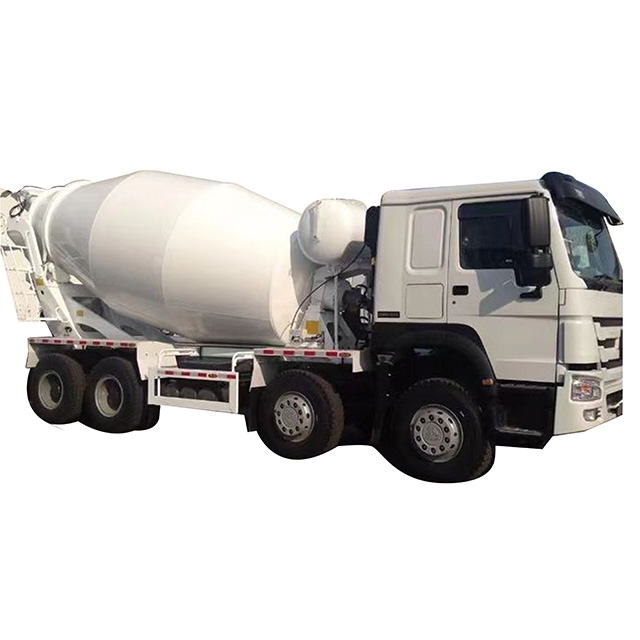
The Cement Tanker Semi Trailer is a specialized bulk transport vehicle designed for hauling cement powder, fly ash, lime powder, ore powder, and other dry powdered materials. Also known as a “cement bulker” or “silo trailer,” it uses a pneumatic (air pressure) system to unload cargo—eliminating the need for manual shoveling and ensuring clean, efficient delivery. With a loading capacity of 30-100 tons and tank volumes ranging from 25 to 80 cubic meters, this trailer is a critical component of the construction and infrastructure supply chain—connecting cement plants to construction sites, warehouses, and concrete mixing facilities. Its robust build (Q235 carbon steel tank), high-performance compressor, and weather-resistant design make it suitable for long-distance transport and harsh working conditions.
The trailer’s unloading system uses a power take-off (PTO) to drive a vehicle-mounted air compressor (BOHAI 12 m³/14 m³ or other brands). Compressed air is sent to the tank’s lower air chamber, suspending powder on the fluidized bed into a “fluid state.” When the tank pressure reaches the rated value, opening the butterfly valve (3/4 inch diameter) allows the powder to flow through a 3/4 inch rubber hose (6 meters long) into storage silos. This process is dust-free, fast (unloading 40 tons in 15-20 minutes), and avoids material waste.
The tank body is made from 5mm or 6mm Q235 carbon steel—thick enough to resist dents from road debris and strong enough to withstand internal air pressure (up to 0.2 MPa). The tank’s cylindrical shape ensures even powder distribution, preventing clumping (a common issue with square tanks). Multiple volume options (25-80 cubic meters) allow customers to match capacity to their needs—e.g., 25 cubic meters for small construction sites, 80 cubic meters for large infrastructure projects.
The tank’s exterior is coated with anti-rust paint to resist corrosion from rain, humidity, or road salt. The manhole cover (carbon steel 500) is sealed with a rubber gasket to prevent water or dust from entering the tank—critical for protecting cement powder from moisture (which causes clumping). The compressor and hydraulic components are housed in a weatherproof compartment to ensure operation in rain, snow, or extreme heat.
Cement plants (e.g., in China, India, or Turkey) use the trailer to deliver bulk cement to construction sites building highways, bridges, or high-rises. The 30-100 ton capacity handles large orders, while the pneumatic system unloads directly into the site’s silo—avoiding the need for intermediate storage. The dust-free unloading keeps the job site clean, complying with environmental regulations.
Concrete mixing plants often add fly ash (a byproduct of coal-fired power plants) to improve concrete strength. The Cement Tanker Semi Trailer hauls fly ash from power plants to mixing facilities, with the fluidized bed preventing fly ash from sticking to the tank walls. The 6-meter rubber hose allows flexible unloading, even if the silo is located in a tight corner of the plant.
Customers can customize tank thickness (5mm/6mm), compressor brand (BOHAI or others), valve diameter (3/4 inch), and hose length (6 meters or longer). For cold climates (e.g., Northern Europe), we offer insulated tanks to prevent powder from freezing. For high-altitude areas (e.g., the Himalayas), we modify the compressor to work at low air pressure.
We provide a maintenance schedule for the compressor (oil changes, filter replacements) and fluidized bed (cleaning to prevent clumping). Our technical team offers online support for troubleshooting issues like slow unloading (often caused by clogged hoses) or air leaks. For new customers, we arrange on-site training for operators to teach safe loading, unloading, and tank cleaning procedures.


