Tel: +86-183-6396-1712 E-mail: bruce@luckywaycn.com
English

Loading Capacity | 20000 -65000L or others |
Axle | 3/4 pcs |
Tire | 12/16 units |
Material | Carbon steel/Stainless Steel |
Tanker body | 5mm |
Manhole cover | 500mm |
Discharging Valve | Ball valve |
Discharging Pipe | 4" rubber hose |
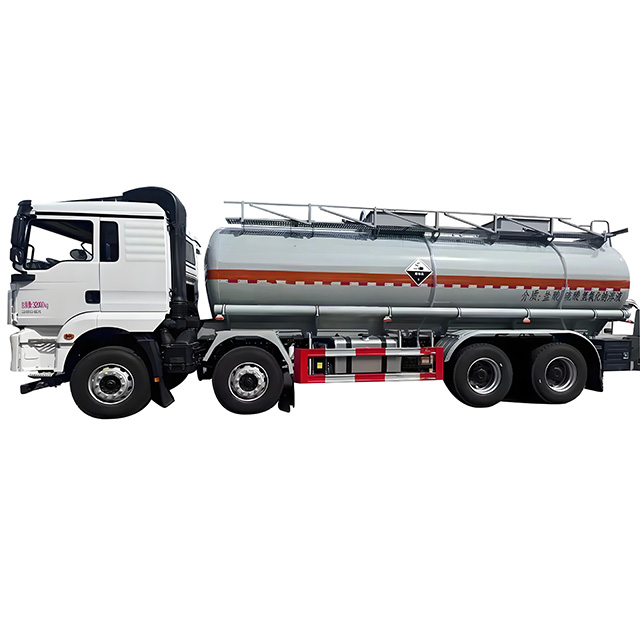
The Chemical Acid Tanker Trailer is a specialized hazardous materials (hazmat) transport vehicle, designed to safely carry corrosive and dangerous liquids—including sulphuric acid, hydrochloric acid, anhydrous ammonia, and other industrial chemicals. Unlike standard tankers, it features corrosion-resistant materials (carbon steel or stainless steel), a leak-proof sealing system, and a low-center-of-gravity design to minimize accident risks. With a capacity range of 20,000L–65,000L and compliance with global hazmat standards (e.g., ADR, IMDG), this trailer is essential for chemical manufacturers, petrochemical plants, and waste treatment facilities that require secure transport of toxic or corrosive substances.
The tanker’s body is made from either high-grade carbon steel (for non-oxidizing acids like hydrochloric acid) or 304/316 stainless steel (for oxidizing acids like sulphuric acid). The 5mm-thick tank wall is welded using TIG (Tungsten Inert Gas) technology—creating seamless joints that prevent acid leakage. The tank is also tested with a 24-hour pressure test (1.2x working pressure) to ensure integrity.
The trailer’s manhole cover (500mm diameter) uses a double-seal design (PTFE gaskets) that resists acid corrosion and prevents vapor leakage. The discharging system features stainless steel ball valves (acid-resistant) and 4” rubber hoses (reinforced with polyester) that can withstand high pressure (10 MPa) and chemical exposure. The trailer also has emergency shut-off valves (installed at the tank outlet and hose end) to stop flow immediately in case of a leak.
To reduce the risk of tipping (critical for hazardous cargo), the tank is mounted low on the chassis, and the trailer’s 3/4-axle system (with 12–16 tires) is positioned to distribute weight evenly. The chassis main beams are made from Q345B steel, which provides additional stability and resists bending under the tank’s weight.
Chemical plants often transport large volumes of concentrated acid (e.g., 98% sulphuric acid) between production facilities and storage sites. The trailer’s stainless steel tank resists corrosion from concentrated acid, while the leak-proof seals prevent toxic vapor release—complying with workplace safety regulations (e.g., OSHA in the US). The 65,000L capacity also reduces the number of trips, minimizing exposure risks for drivers.
Wastewater treatment plants use hydrochloric acid or sodium hydroxide (caustic soda) for pH adjustment. The trailer’s carbon steel tank (for non-oxidizing chemicals) is cost-effective for this application, and the rubber discharging hoses are flexible enough to connect to plant inlet pipes. The emergency shut-off valves also prevent spills in case of hose damage—protecting the environment.
Anhydrous ammonia (used in agriculture as fertilizer) is highly volatile and requires strict temperature/pressure control. The trailer’s insulated tank (optional) maintains ammonia at -33°C (its boiling point), while the pressure relief valves prevent overpressurization. The low-center-of-gravity design also ensures stability during long highway trips (500+ km), reducing the risk of rollovers.
Our team ensures the trailer meets regional hazmat standards (e.g., ADR for Europe, DOT 407 for the US) by providing certification documents (e.g., UN approval, pressure test reports). We also advise customers on driver training requirements (hazmat certification) and cargo labeling (GHS symbols).
Based on the type of chemical, we recommend the right tank material: 316 stainless steel for highly corrosive acids, carbon steel for milder chemicals, or lined tanks (PTFE-lined carbon steel) for ultra-corrosive substances (e.g., hydrofluoric acid). We also customize tank volume to fit customers’ storage and transport needs.
We offer a 1-year warranty on seals, valves, and hoses (critical for leak prevention). Our service team provides on-site training on leak detection, emergency response (e.g., acid spill cleanup), and regular maintenance (tank inspection, valve lubrication). We also supply acid-resistant replacement parts with fast shipping to minimize downtime.


