Tel: +86-183-6396-1712 E-mail: bruce@luckywaycn.com
English

Views: 0 Author: Site Editor Publish Time: 2026-01-31 Origin: Site


People say “loading limit standards” and expect one simple number. It rarely works like that. For a Fuel Tanker Trailer, the legal and practical limit comes from three layers: road law, tanker safety rules, and terminal procedures.
So we don’t chase one magic capacity figure. We check weight, volume, and controls. Then we load to the smallest limit. It keeps you legal. It keeps people safe.
Legal gross combination limit: tractor + trailer + fuel + gear, total mass on the road.
Axle group limits: how weight spreads across steer, drive, trailer axles.
Operational fill limit: compartment fill rules for expansion and surge control.
Confirm route weight rules and permit needs.
Confirm product density for today’s temperature.
Confirm compartment plan, product placement, liters per bay.
Verify valves, emergency shutoffs, spill kit readiness.
Use a scale ticket or calibrated meter record.
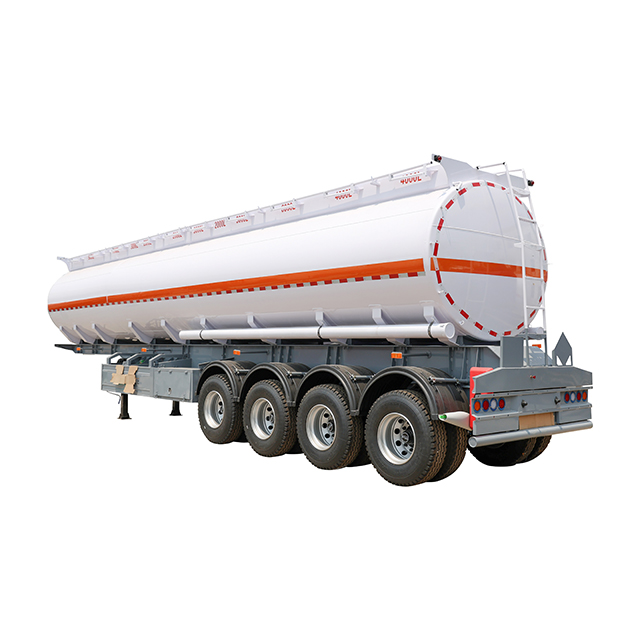
Each country sets its own gross and axle limits. Many corridors add regional restrictions. Some roads allow heavier combinations. Others cut weight for bridges and steep grades.
When you run fuel, expect stricter checks near terminals, ports, city rings, tunnels. They review placards and paperwork quickly. They also look for leakage risk signs.
Use these as a starting point for questions. Don’t treat them as universal permission. Your configuration and route decide the real limit.
| Country | Configuration cue | Referenced gross limit (t) | Practical takeaway for Fuel Tanker Trailer loading |
|---|---|---|---|
| Brazil | 7-axle B-train (common) | 57 | High capacity, yet axle overload still happens. Balance compartments. |
| Brazil | 9-axle combination (referenced max) | 74 | Higher totals exist, often tied to configuration and authorization. |
| Argentina | Higher-axle combinations (example table) | 42–45 (5 axles), 52.5 (6), 60 (7), 75 (9) | Axle count can unlock totals. Route and enforcement still rule. |
| Uruguay | Example table by axle count | 42–45 (5 axles), 45–48 (6), 57 (7), 74 (9) | Road segment choice changes legality. Plan corridor first. |
Heavier multi-axle combinations often require special authorization. Dispatch should confirm it before loading. If the permit is missing, the load becomes a problem at the scale.
A tanker gets marketed in liters or gallons. The road cares about kilograms. Fuel density, temperature, and terminal fill limits turn volume into legal payload.
Payload mass (kg) ≈ Volume (L) × Density (kg/L)
Then add tare weights. Tractor + trailer + gear. Compare the result to legal gross and axle limits.
| Product | Planning density (kg/L) | 10,000 L estimated mass (kg) | Loading note |
|---|---|---|---|
| Gasoline | 0.72–0.76 | 7,200–7,600 | Light, yet vapor risk high. Follow ignition controls. |
| Diesel | 0.82–0.86 | 8,200–8,600 | Heavier. Axle overload happens sooner than expected. |
| Ethanol | ~0.79 | ~7,900 | Confirm compatibility and terminal procedures. |
| 10,000 L block | Gasoline mass | Diesel mass | Difference |
|---|---|---|---|
| One block | ≈ 7.2–7.6 t | ≈ 8.2–8.6 t | ≈ 1.0 t |
Liquid cargo moves. Still, you control the starting distribution. Compartment planning matters. It can decide pass or fail at the scale.
Compartment fill level and load order.
Baffles and surge control design.
Road grade, braking, acceleration.
Uneven loading pads at terminals.
Keep heavier product near the center, reduce axle swing.
Balance loads, avoid one end getting heavy.
Avoid tiny partial fills, they increase surge.
Plan multi-drop order, keep it legal after each drop.
“How much can we load” includes “how safely can we load.” Fuel transfer rules focus on ignition prevention, secure positioning, attendance, and controlled flow.
Secure the vehicle. Set brakes. Use chocks if required.
Bond and ground before flow. Keep it until flow ends.
Ban ignition sources. No smoking. No shortcuts.
Inspect hoses, couplers, seals. Use rated equipment.
Stay present during transfer. Monitor continuously.
Falls from decks, ladders, wet pads.
Struck-by incidents from yard traffic.
Caught-between pinch points at valves and couplers.
Spills, vapor exposure, static ignition.
Let’s plan 45,000 L of diesel. We want it legal, stable, deliverable. This workflow keeps it consistent.
Pick density: use a site value, say 0.84 kg/L today.
Convert volume to mass: 45,000 × 0.84 ≈ 37,800 kg payload.
Add tare: tractor + trailer + equipment, use scale tickets.
Check gross: compare to strictest route and permit terms.
Check axles: confirm distribution, use axle scale if possible.
Apply fill rules: leave headspace, don’t chase “full.”
Lock plan: record compartment liters and product IDs.
| Input | Example value | Why it matters |
|---|---|---|
| Fuel volume | 45,000 L | Commercial order, not automatically legal. |
| Density | 0.84 kg/L | Temperature shifts it, payload shifts too. |
| Payload mass | 37,800 kg | Enforcement checks mass, not liters. |
| Tare mass | Use scale ticket | Guessing creates overweight surprises. |
| Final compliance | Gross + axle + site rules | All must pass, every time. |
Fuel expands as it warms. A cool morning load can expand at noon. If compartments lack headspace, vents can release vapor or liquid. It creates spill risk and citations.
Many terminals enforce a maximum fill percentage per compartment. Follow their number. Even when a customer asks for “just a bit more,” we keep it safe.
For fuel transport, compliance lives in documents and in steel. Inspectors want proof fast. A clean trip file reduces delays.
Shipping papers and product identification.
Terminal loading ticket or meter printout.
Scale tickets, gross and axle when available.
Inspection records for valves, hoses, emergency devices.
Permit documents for special corridors or heavier configurations.
Hardware can’t replace compliance. It can make compliance easier. Multi-compartment layouts help balance payload. Strong valves reduce leak risk. Clear manhole access speeds inspection.
If you plan cross-border operations, configuration matters. You can review options in the Fuel Tanker Trailer category, then match axle layouts, compartment counts, and safety systems to your corridors.
No. Each country sets gross and axle limits plus permit systems. Some routes allow heavier combinations. Others reduce weight for bridges and grades.
Axle weight catches more teams. They pass gross weight, then fail axle groups. Compartment planning and equipment weight drive it.
Not reliably. Fuel type, density, temperature, and terminal fill rules decide safe volume. Road rules decide legal mass.
Sometimes. Heavier multi-axle configurations often require authorization on certain corridors. Dispatch should confirm it before loading starts.
Slow starts, correct bonding and grounding, inspected hoses, active monitoring. Good communication helps too. It prevents rushed mistakes.
If you want one simple rule, use this: load to the smallest limit among legal gross, legal axle, and terminal safety rules. It keeps trips smooth. It keeps enforcement simple. It protects drivers and equipment.


