Tel: +86-183-6396-1712 E-mail: bruce@luckywaycn.com
English

Views: 0 Author: Site Editor Publish Time: 2026-02-26 Origin: Site


Transporting fuel, chemicals, water, and food liquids across Africa presents unique operational challenges. Long distances, variable road conditions, climate extremes, and evolving regulatory frameworks mean that Tanker Trailer safety cannot rely on basic configurations alone. At Qingdao Xingjiayun International Trade Co., Ltd., we regularly work with logistics operators, distributors, and fleet owners who need tank semi-trailers that balance durability, compliance, and operational safety.
When discussing tanker safety in Africa, the focus extends beyond regulatory checklists. Real-world safety involves structural integrity, rollover stability, braking performance, pressure management, compartment design, and emergency response features. Because infrastructure conditions vary widely between regions, tank semi-trailers must be engineered with safety redundancy and adaptability. Understanding the essential safety configurations helps operators reduce risk, protect cargo, and improve long-term fleet reliability.
African transport environments differ significantly from highly standardized markets. Operators frequently encounter:
Rough or unpaved roads
High ambient temperatures
Long transport distances
Variable enforcement of standards
Mixed cargo types (fuel, chemicals, potable water)
As a result, tanker safety configurations must focus on robustness and practical reliability rather than minimum specification.
Material choice is one of the most fundamental safety decisions in tanker trailer design because it directly affects structural strength, corrosion resistance, weight distribution, and long-term reliability. Selecting the appropriate tank material ensures that the tanker can withstand harsh road conditions, temperature variation, and different liquid properties without compromising safety.
Common material options include:
Material | Safety Advantage |
Carbon steel | High structural strength and impact resistance |
Aluminum alloy | Lower weight improves payload and rollover stability |
Stainless steel | Excellent corrosion resistance for chemicals and food liquids |
Carbon steel is widely used for fuel transport due to its durability and cost efficiency. Aluminum alloy improves stability because reduced vehicle weight lowers the center of gravity, which contributes to rollover prevention. Stainless steel is often selected for chemical or food-grade transport where contamination and corrosion risks must be minimized.
Choosing the correct material reduces fatigue failure, improves resistance to vibration stress, and extends lifecycle safety performance.
Tank geometry plays a major role in vehicle stability. Elliptical and oval tank shapes are commonly used because they help lower the center of gravity compared with circular designs. A lower center of gravity improves handling, especially when traveling on uneven roads or during sudden maneuvers.
Internal structural elements such as baffle systems further enhance stability by limiting liquid surge inside the tank. Surge control becomes particularly important on rough roads, during braking, or when changing direction.
Key safety benefits include:
Improved vehicle control
Reduced braking instability
Lower rollover probability
More predictable handling under partial load conditions
Designing tank shape and stability together creates a foundation for safe tanker operation across diverse road environments.
Liquid movement is one of the most significant safety risks in tanker transport. When a vehicle accelerates, brakes, or turns, liquid inertia creates dynamic forces that affect vehicle balance.
Internal baffles divide the tank into sections to limit liquid movement. These structures reduce surge energy and help maintain vehicle stability. Multi-compartment designs add another safety layer by improving load distribution and preventing cargo mixing.
Configuration | Safety Function |
Baffles | Reduce liquid movement |
Multi-compartment | Improve load distribution |
Anti-surge bulkheads | Stabilize braking behavior |
These features are critical for fuel and chemical transport where sudden load shift can lead to loss of control. Effective surge control improves driver confidence and reduces mechanical stress on the chassis.
Road variability across many African transport routes makes braking performance a key safety factor. Tanker trailers require braking systems that remain effective under heavy loads, high temperatures, and mixed surface conditions.
ABS (Anti-lock Braking System)
EBS (Electronic Braking System) where applicable
High-strength axle assemblies
Reliable suspension systems (air or mechanical)
Brake temperature monitoring or management
ABS significantly improves control during emergency braking by preventing wheel lock, especially on gravel or uneven pavement. EBS enhances braking response and balance across axles. Suspension design also contributes to stability by maintaining tire contact with the road.
Strong chassis engineering ensures that braking forces are distributed safely without structural fatigue.
Rollover incidents remain one of the most serious risks in tanker operations. Because liquid cargo shifts dynamically, tanker trailers require multiple rollover prevention measures built into the design.
Important configurations include:
Lower center-of-gravity tank design
Wide track axle configuration for increased stability
Anti-roll suspension systems
Stability-focused chassis geometry
Optimized weight distribution
While driver training is essential, vehicle configuration provides the first and most consistent layer of protection. Proper rollover design reduces risk during cornering, evasive maneuvers, and uneven terrain operation.
Fuel and chemical tankers must safely manage internal pressure caused by temperature changes, vapor formation, and loading processes. Without proper pressure control, tanks may deform, leak, or present explosion risks.
Pressure relief valves
Emergency vent systems
Vapor recovery interfaces
Sealed and reinforced manholes
Pressure relief valves prevent excessive internal pressure buildup. Emergency vents provide rapid pressure release during abnormal events such as fire exposure. Vapor recovery systems reduce environmental impact and improve operational safety during loading.
These components ensure structural integrity and safe containment of volatile cargo.
Operational safety extends beyond transport to loading and unloading procedures, which are high-risk stages in tanker operation. Proper configuration reduces operator exposure, prevents spills, and improves process control.
Essential safety features include:
Bottom loading systems
Overfill protection devices
Anti-static grounding points
Emergency shut-off valves
Spill containment design
Bottom loading improves safety by reducing vapor exposure, minimizing splash risk, and enabling automated overfill protection. Anti-static grounding prevents ignition risks during fuel transfer, while emergency shut-off valves allow rapid response in abnormal situations.
Well-designed transfer safety systems not only prevent accidents but also improve operational efficiency and regulatory compliance.
Fuel transport requires additional protection.
Common safety configurations:
Fire-resistant materials
Emergency cut-off systems
Flame arrestors
Static electricity control
Reflective hazard marking
These features reduce incident severity.
African operating environments introduce heat and dust challenges.
Safety-related adaptations include:
UV-resistant coatings
Corrosion protection
High-temperature sealing materials
Dust-resistant valve systems
Environmental durability is directly linked to safety.
Safety configurations often align with international standards even where local enforcement varies.
Common reference frameworks:
ADR-influenced fuel tanker practices
UN transport recommendations
Regional petroleum transport guidelines
Fleet operators often choose higher specifications to ensure cross-border compliance.
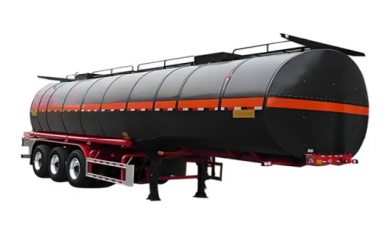
Vehicle design supports driver safety.
Important additions:
Walkways and anti-slip surfaces
Guard rails
Safe ladder design
Lighting systems
Camera systems
Operational ergonomics reduce accident risk.
Long-distance transport requires maintainable equipment.
Design considerations:
Accessible valve layout
Modular components
Corrosion-resistant fittings
Inspection ports
Maintenance accessibility improves long-term safety.
Application | Key Safety Focus |
Fuel tanker | Fire protection + surge control |
Chemical tanker | Corrosion + pressure safety |
Water tanker | Structural durability |
Food tanker | Hygiene + sealing safety |
Different cargo types require different safety priorities.
Choosing minimum specification for rough routes
Ignoring surge control
Underestimating rollover risk
Limited pressure protection
Inadequate braking configuration
These mistakes often increase lifecycle risk.
Industry trends include:
Electronic stability integration
Smart monitoring sensors
Telematics for safety alerts
Lightweight high-strength materials
Predictive maintenance systems
Digital safety features are becoming increasingly important.
In our experience, safety configuration should be defined by operating reality rather than only by regulation. Many fleets operate across multiple countries, road conditions, and cargo types. This requires tanker trailers that provide consistent safety margins.
We focus on helping customers evaluate route conditions, cargo characteristics, maintenance capacity, and regulatory expectations before defining safety specifications. This approach ensures that safety features are practical, not theoretical.
Understanding what safety configurations tank semi-trailers must have in Africa requires a holistic perspective. Structural stability, surge control, braking performance, pressure management, fire protection, and operational ergonomics all contribute to safe tanker transport. Because African logistics environments often involve long distances and varied infrastructure, tanker trailers must prioritize durability, stability, and redundancy.
Well-configured tanker trailers reduce accident risk, protect cargo, and improve fleet reliability over time. Safety is not a single feature but a system of coordinated design decisions that support real-world transport conditions.
At Qingdao Xingjiayun International Trade Co., Ltd., we work with logistics companies and distributors to define tanker trailer configurations aligned with operational needs across different African markets. By combining structural engineering, safety-focused component selection, and practical transport experience, we aim to support reliable liquid transport solutions. If you are evaluating tanker trailer specifications or planning fleet expansion, learning more about tanker trailer safety configurations and discussing your application requirements with our team can help ensure safer operations.
1. What safety features are essential for a Tanker Trailer in Africa?
Surge control, ABS braking, rollover stability design, pressure relief systems, and fire protection.
2. Why is surge control important in Tanker Trailers?
It reduces liquid movement that can affect braking stability and vehicle control.
3. Do African Tanker Trailers require pressure safety systems?
Yes, especially for fuel and chemical transport where venting and relief valves are critical.
4. How does Tanker Trailer design reduce rollover risk?
Lower center of gravity, wide axle configuration, internal baffles, and stability-focused chassis design.


